
A Small Camera. A Lot of Time. Years of Experimenting.
GoPro Timelapse started with a simple fascination: set a camera down, let the world move around it, and see what happens.
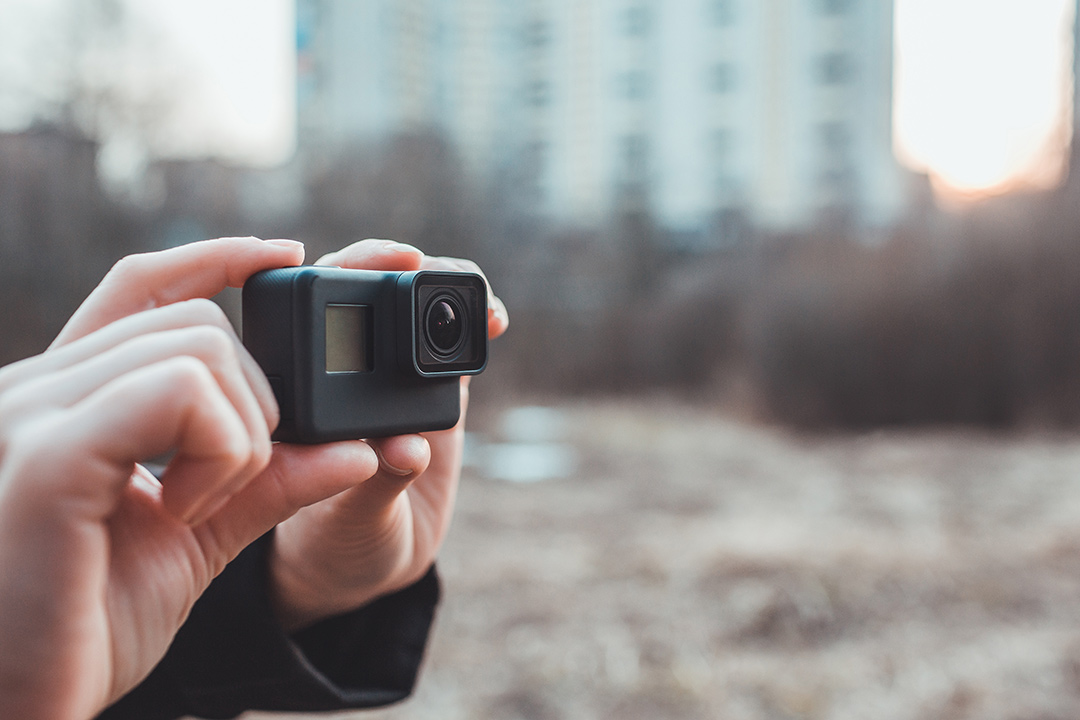
Over the years, that fascination has followed me through cities, road trips, construction projects, sunsets, night skies, LEGO builds, dashcam experiments, and more than a few situations where I probably left a GoPro somewhere longer than I should have.
What started as a place to share those videos has gradually become something bigger: a resource for figuring out how to capture better timelapses with GoPro cameras.
It Started With the Camera
I've always loved GoPro cameras because they're incredibly versatile.
They're small enough to put almost anywhere, tough enough to leave running in situations where I wouldn't want to leave a traditional camera, and capable of capturing perspectives that would otherwise be difficult or impossible.
That makes them almost perfect little timelapse machines.
I've owned multiple generations of GoPro cameras over the years, starting with the early HERO models and continuing through to the GoPro HERO11 Black I use today.
Some survived. Some didn't.
I once left a GoPro HERO3 sitting on the window of a limousine while traveling through Manhattan.
It did not make the return trip.
There have been plenty of other experiments since then, but the basic idea has never really changed:
Put the camera somewhere interesting and let time tell the story.
Learning Through Experimentation
Timelapse photography looks simple until you start doing it.
How long should the interval be?
Should you shoot video or individual photos?
What happens when the sun goes down halfway through the shot?
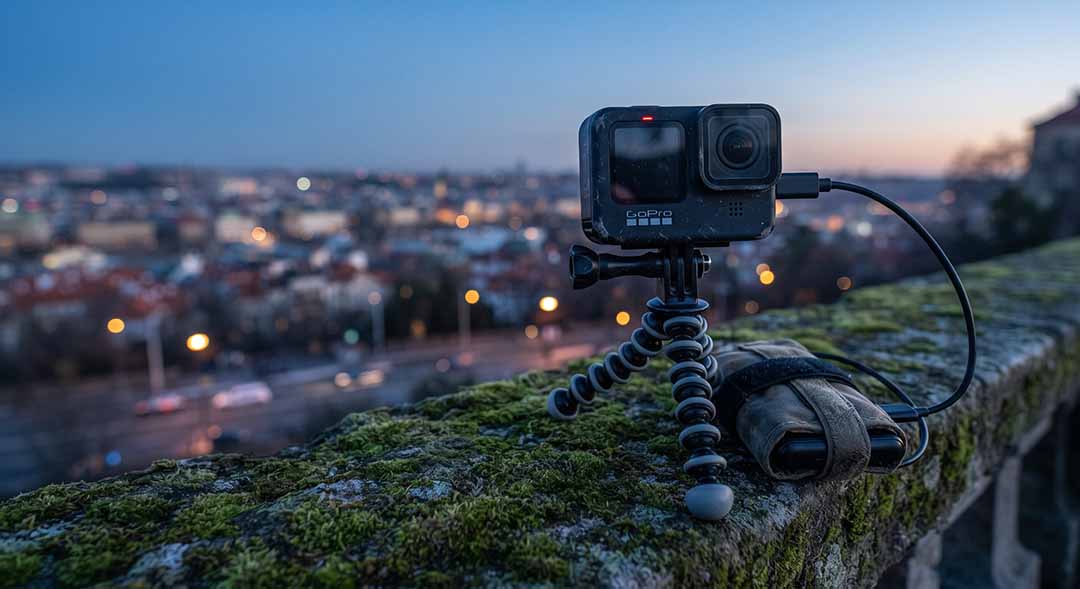
How do you keep a GoPro powered for hours, days, or even months?
Why did the camera overheat?
Why did the battery die?
Why is there a giant gap in the footage?
And once you've captured thousands of images, what do you do with them?
A lot of what you'll find on GoPro Timelapse comes from working through those exact problems.
This site is where I document the settings, workflows, experiments, mistakes, and solutions I've picked up along the way.
More Than a Gallery
GoProTimelapse.com originally revolved around the videos themselves.
Today, I'm building it into something much more useful.
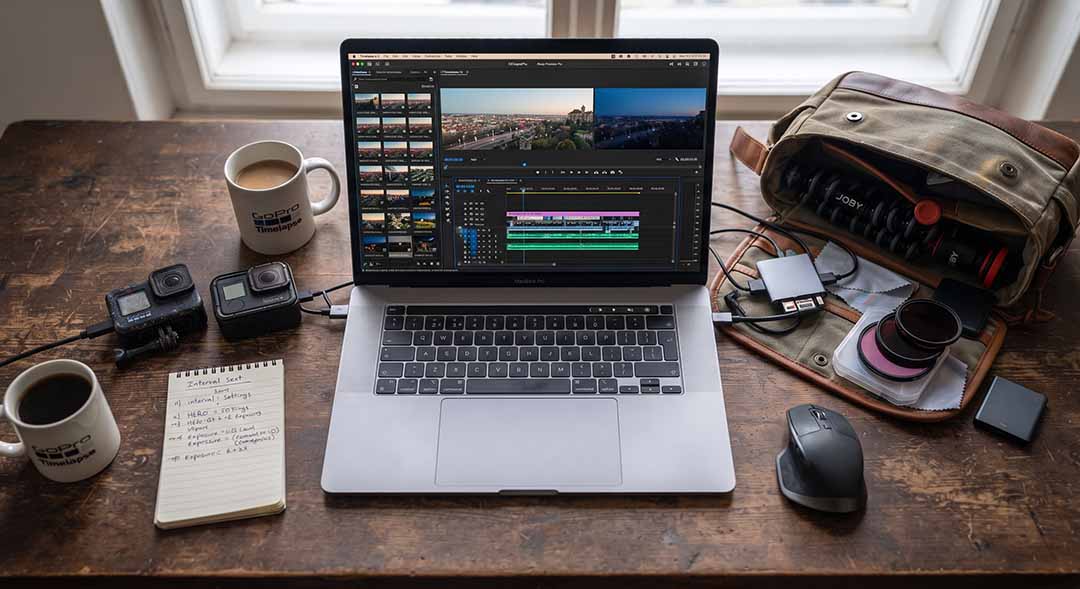
You'll find practical guides covering GoPro timelapse settings, Night Lapse, TimeWarp and Hyperlapse, construction timelapses, long-duration power, overheating, editing workflows, LRTimelapse, Holy Grail transitions, camera comparisons, and other techniques I've learned through actually working with the cameras.
The goal isn't to make timelapse photography sound complicated.
It's the opposite.
I want you to be able to come here with an idea, figure out the settings and equipment you need, understand the problems you're likely to encounter, and then go shoot it.
Built From Real Timelapses
There is a big difference between reading a camera specification sheet and leaving a camera running for six hours.
That's the perspective I want this site to have.
Today, my primary camera is a GoPro HERO11 Black, but much of what you'll find throughout GoProTimelapse.com comes from years of experimenting with different generations of GoPro cameras.
Specifications matter. Settings matter. Technical details matter.
But so do the things you only discover after you've actually tried the shot.
Battery limitations. Heat. Weather. Changing light. Storage. Mounting. Flicker. Missed frames. Editing thousands of images. And occasionally realizing the camera you carefully positioned several hours ago isn't where you left it.
Those experiences are what shape the guides and recommendations you'll find here.
When I learn something useful, I try to turn it into something another GoPro owner can actually use.
My Current GoPro
GoPro HERO11 Black
The HERO11 Black is currently my main GoPro and the camera behind many of the experiments, tests, and timelapses you'll see across the site.
But GoProTimelapse.com isn't meant to be useful only to people carrying the newest camera.
One of the things I've learned after using multiple generations of GoPros is that understanding how to shoot a timelapse matters more than owning the latest model.
A newer GoPro can give you better sensors, stabilization, resolution, low-light capabilities, and shooting options. It can't choose the right interval, find the right composition, anticipate changing light, keep itself powered for a long-duration shoot, or rescue a poorly planned sequence.
That's what this site is really about.
Learning how to get more out of the GoPro you already have.
Why Timelapse?
A normal photograph captures a moment.
Video captures what happened.
Timelapse does something different.
It reveals motion that's normally too slow for us to notice.
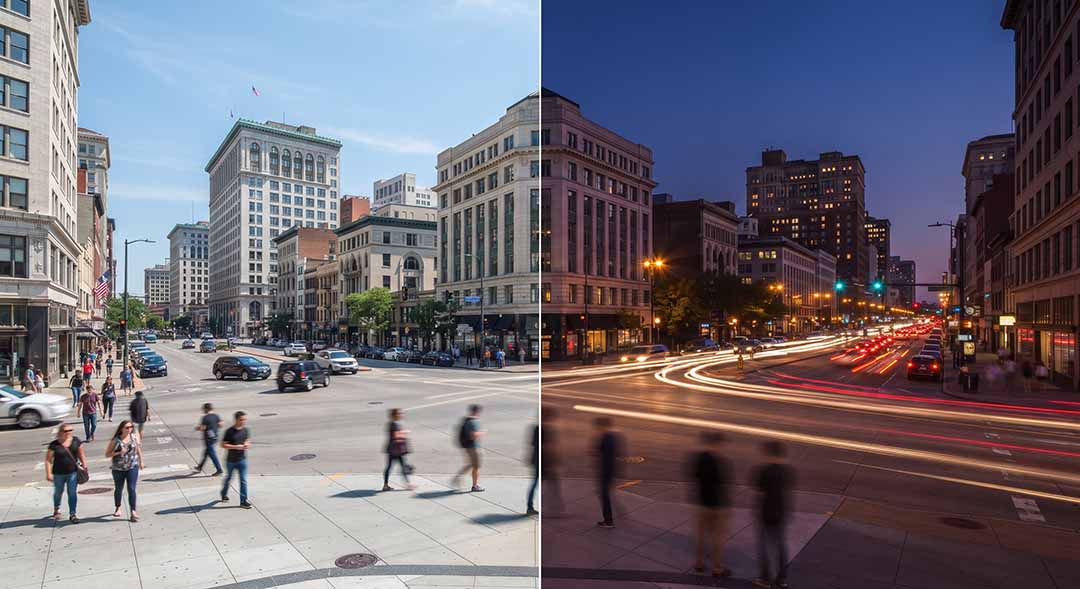
Clouds pouring across a landscape. A city waking up. Shadows crawling across a building. A construction project taking shape. Stars moving through the night sky. Hundreds of tiny changes becoming one continuous movement.
That's what keeps me interested.
After all these years, there's still something incredibly satisfying about setting up a GoPro, walking away, and coming back later to discover what it saw.
And there are still plenty of things left to capture.
Start Exploring
Learn
Dial in your camera before you hit record. Explore GoPro settings, shooting techniques, Night Lapse, TimeWarp, long-duration captures, editing workflows, and practical solutions to common timelapse problems.
Watch
See what these little cameras can actually do. Explore timelapses, travel footage, experiments, journeys, and other projects captured with GoPro cameras.
Build
Ready to try something more ambitious? Dig into construction timelapses, extended power setups, Holy Grail transitions, LRTimelapse workflows, and other advanced techniques for taking your timelapses further.
Keep Capturing
GoPro Timelapse isn't about having the most expensive equipment or chasing every new camera release.
It's about seeing what happens when you put a camera somewhere interesting and give it time.
Sometimes you get an incredible timelapse.
Sometimes you learn what not to do next time.
And apparently, sometimes you leave a HERO3 on a limousine in Manhattan.
Either way, there's usually a story worth capturing.